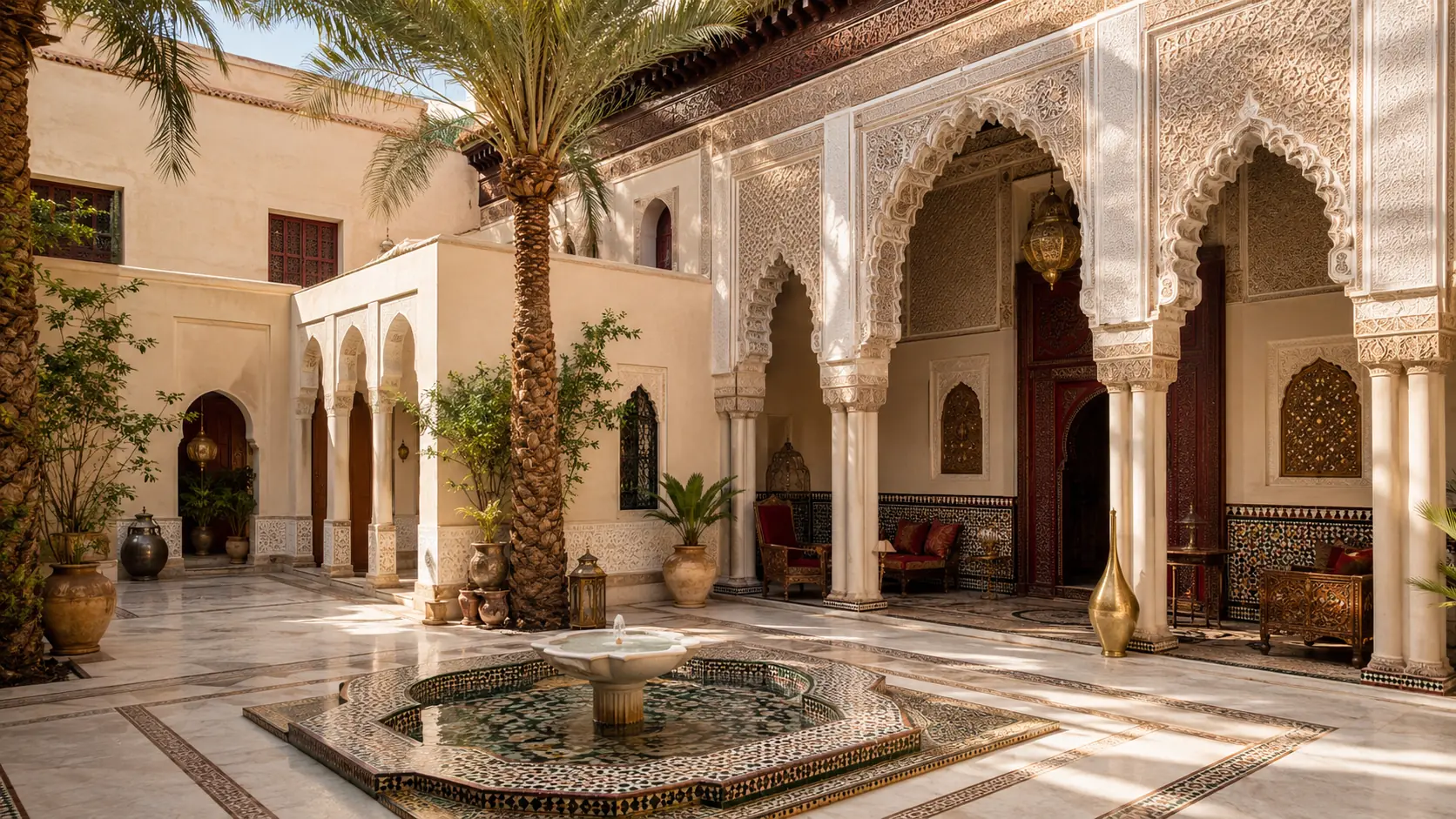
Halal Travel · Marrakech
Marrakech Halal Travel Guide
Practical planning for a comfortable, private and Muslim-friendly stay in the Red City.
Read Guide →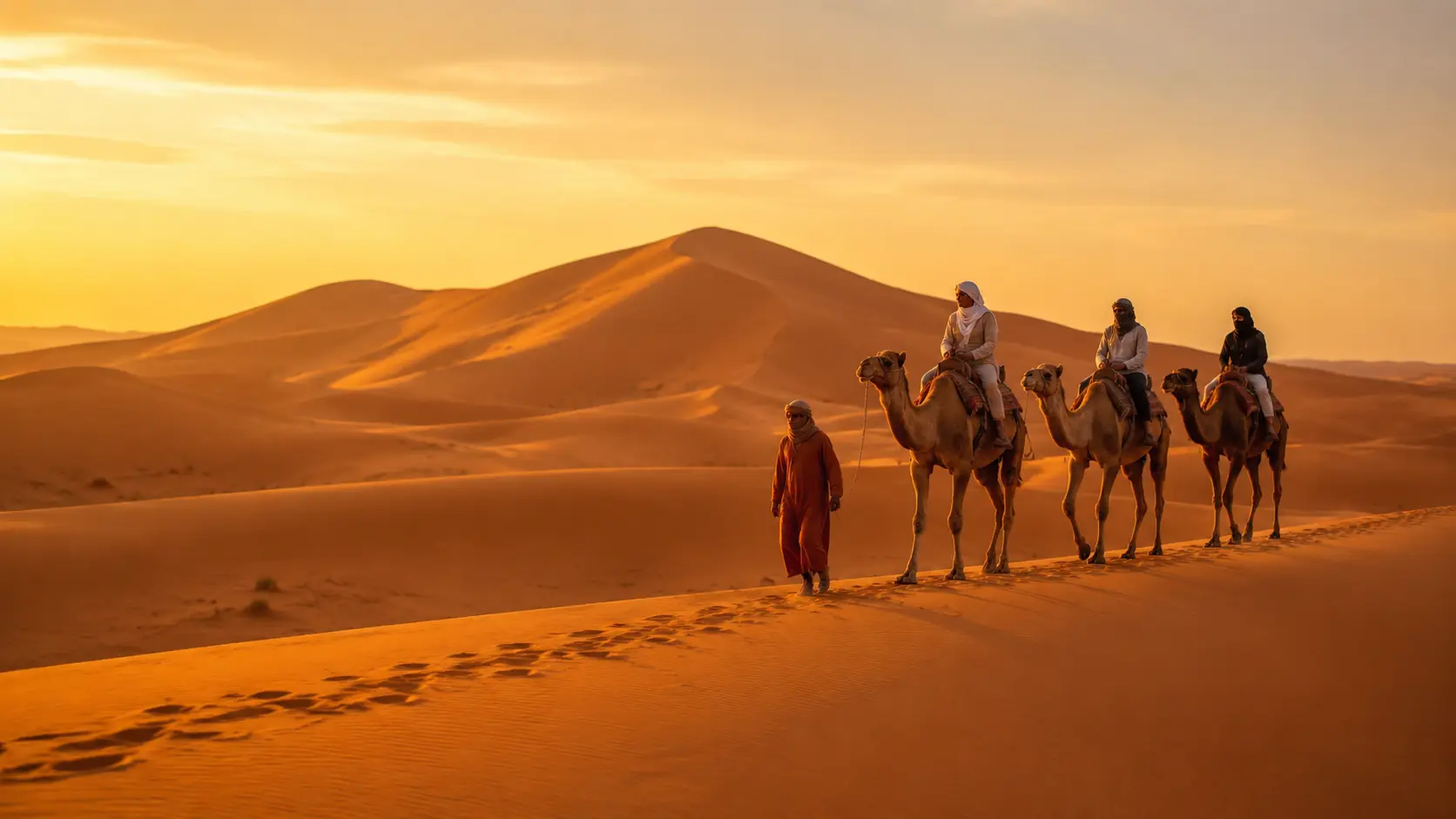
Desert Guide
Merzouga vs Zagora: Which Desert Should You Choose?
Two very different desert experiences: compare travel time, landscapes and the style of journey that suits you best.
Read Guide →
Travel Tips
Morocco for Muslim Travelers
A practical guide to halal-friendly planning, prayer, privacy and comfortable private travel across Morocco.
Read Guide →
Travel Planning
Best Time to Visit Morocco
Choose the season that matches your route, preferred temperatures and the experiences you want across Morocco.
Read Guide →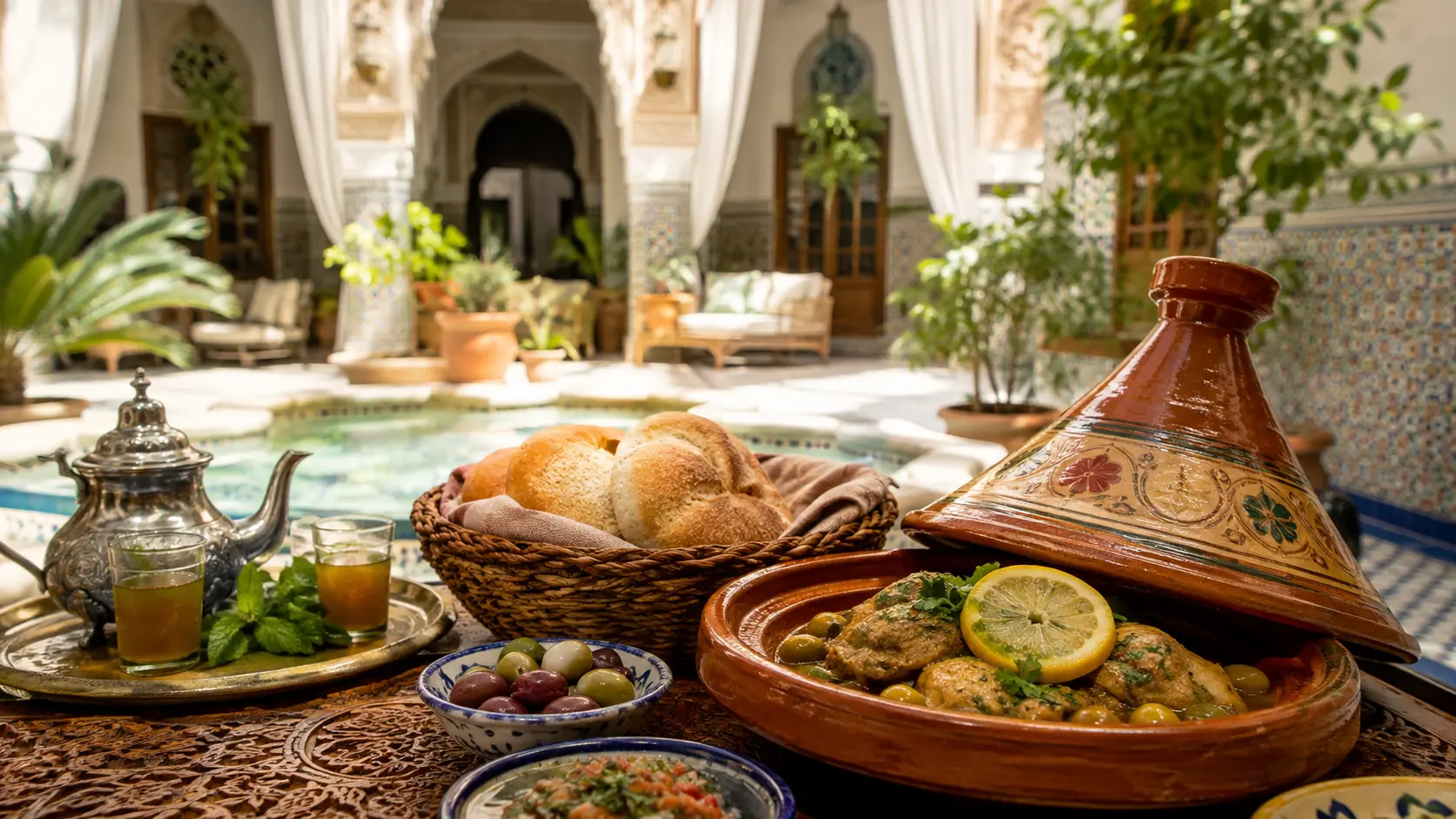
Food & Culture
Halal Food in Marrakech: A Practical Guide
How to enjoy Moroccan food with confidence while keeping your personal halal requirements clear.
Read Guide →