Best Time to Visit Morocco
Morocco is a destination you can enjoy throughout the year, but the best time to visit depends on the experience you are looking for.
For many travelers, spring from March to May and autumn from September to November offer a comfortable balance of pleasant temperatures, beautiful landscapes and excellent conditions for exploring cities, mountains and the desert.
Morocco’s geography is incredibly diverse. In one journey, you can experience the lively medinas of Marrakech, the cool Atlas Mountains, golden Sahara dunes and peaceful Atlantic coastal towns. Because each region has its own climate, choosing the right season can make your private Morocco journey even more enjoyable.
At Morocco Halal Travel, we design private, tailor-made and halal-friendly journeys around your travel dates, interests and preferred pace.
Morocco in Spring: March to May
Spring is one of the most enjoyable seasons for discovering Morocco.
Temperatures are generally comfortable for exploring cities such as Marrakech, Fes, Rabat and Chefchaouen, while the countryside becomes greener and the Atlas Mountains create a beautiful backdrop.
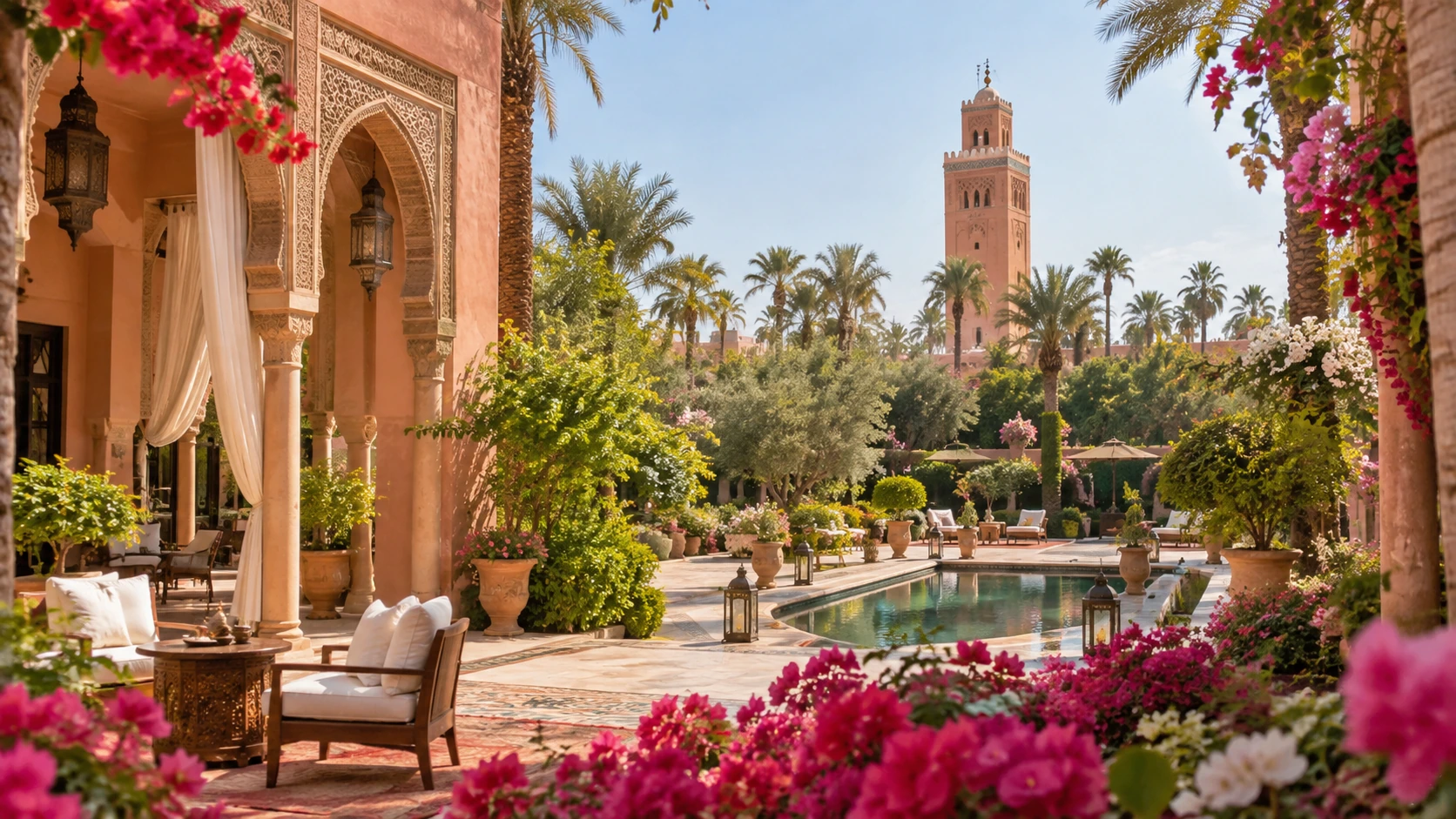
It is also a great period for combining several regions in one itinerary. You can explore Marrakech, travel through the High Atlas Mountains, visit Ait Ben Haddou and continue toward Merzouga without experiencing the strongest summer heat.
Spring works especially well for families, couples and travelers who want a balanced itinerary combining culture, nature and desert experiences.
Morocco in Summer: June to August
Summer in Morocco can be very warm, particularly in Marrakech and the interior regions.
For travelers visiting during this period, the itinerary becomes especially important. Early sightseeing, comfortable private transport and carefully planned breaks can make the experience much easier.
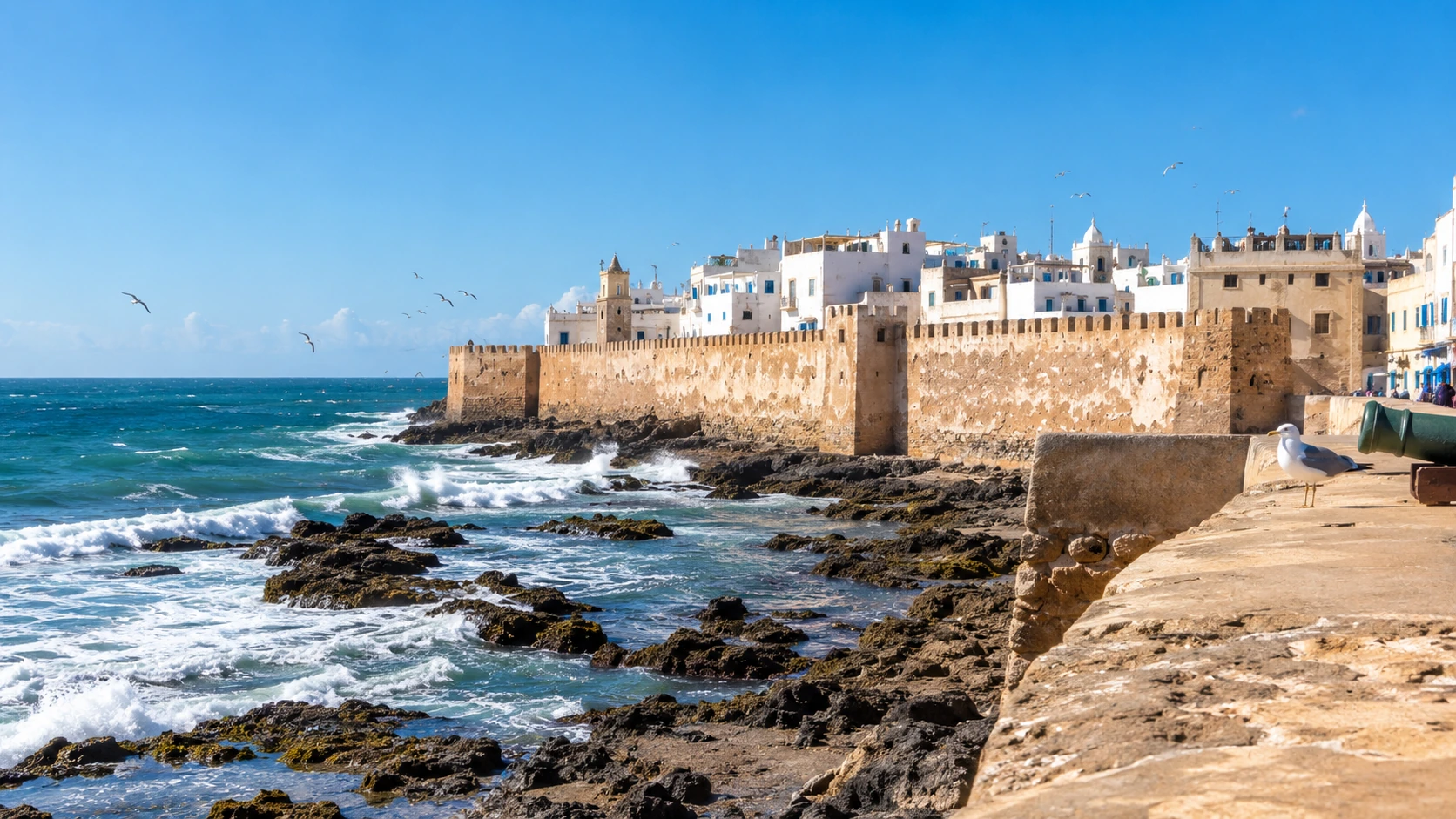
Summer is also an excellent time to discover Morocco's Atlantic coast. Destinations such as Essaouira and Agadir generally offer a different atmosphere from the inland cities, with ocean breezes and relaxed coastal experiences.
The High Atlas Mountains can also provide a refreshing contrast to the heat of Marrakech.
For desert travel, we recommend designing the schedule carefully because daytime temperatures can become very high.
Morocco in Autumn: September to November
Autumn is another excellent season to visit Morocco.
As the strongest summer temperatures begin to fall, cities become more comfortable for sightseeing and Sahara journeys become increasingly attractive.
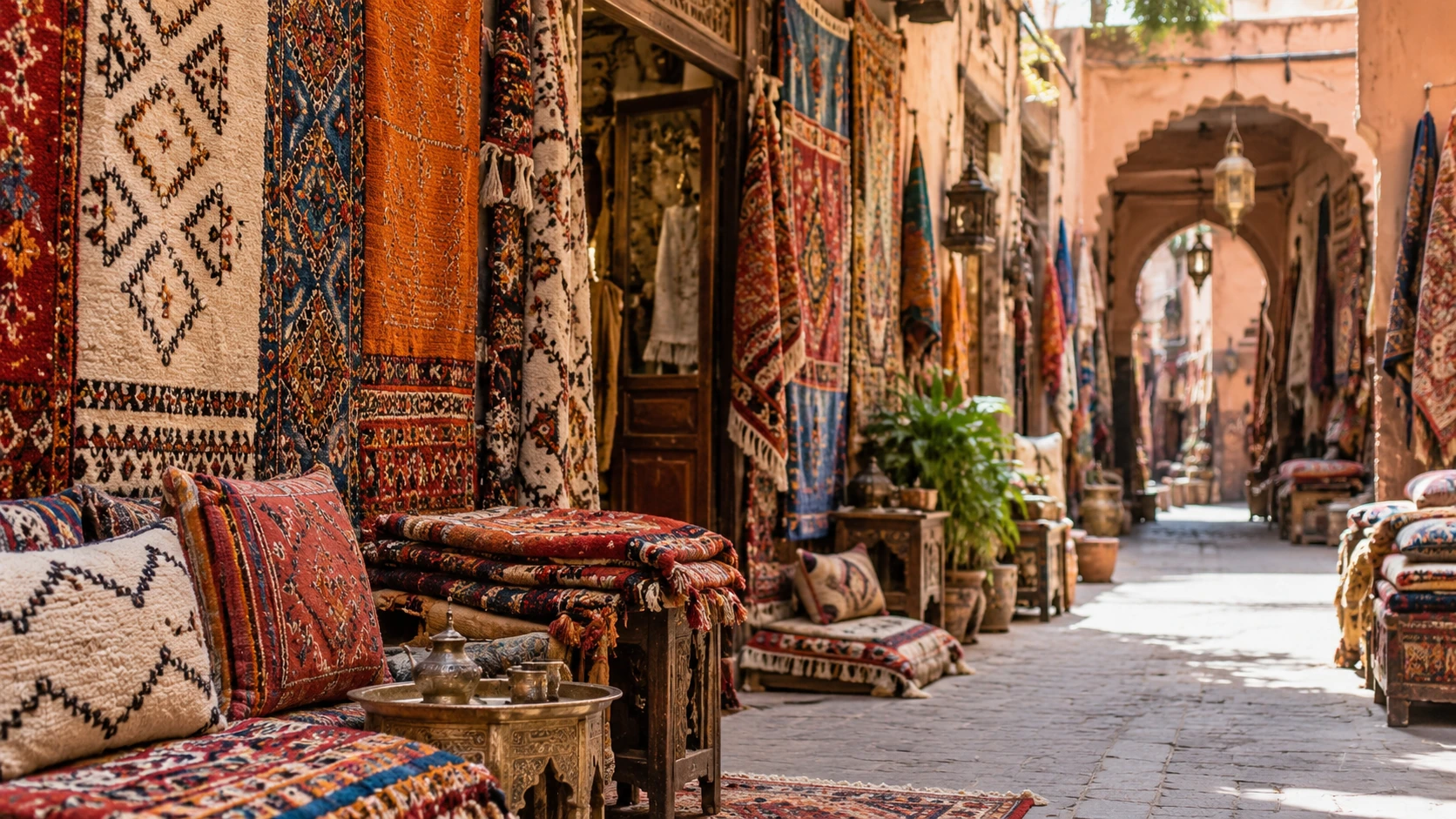
September, October and November are particularly suitable for travelers wishing to combine Marrakech, the Atlas Mountains, ancient kasbahs and the Sahara Desert.
Imagine beginning your journey in Marrakech, crossing the High Atlas Mountains, discovering Ait Ben Haddou and the Dades Valley, then continuing toward the golden dunes of Merzouga.
Autumn also provides comfortable conditions for private cultural tours through Morocco's Imperial Cities.
Morocco in Winter: December to February
Winter offers a different side of Morocco.
Cities such as Marrakech can still have pleasant sunny periods during the day, although mornings and evenings may be cool. Mountain areas can become much colder, and snow is possible at higher elevations in the Atlas Mountains.
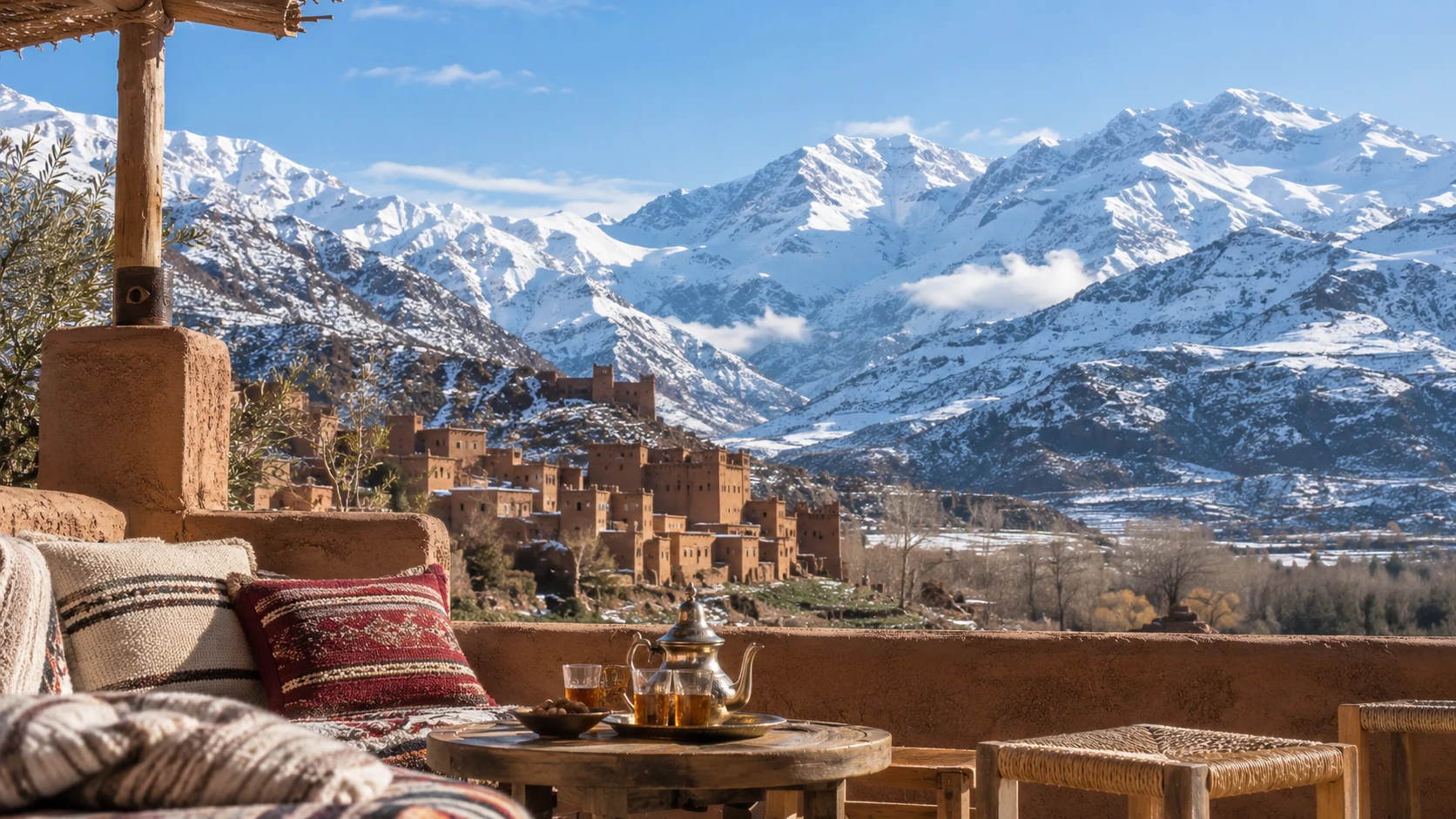
The Sahara can be particularly beautiful during winter because daytime temperatures are usually easier for exploring the dunes. Desert nights, however, can become cold, so warm clothing is important.
Winter can be a wonderful season for travelers who prefer quieter sightseeing and cooler temperatures.
Best Time for the Sahara Desert
For many visitors, the Sahara is one of the highlights of a Morocco journey.
The most comfortable periods are generally spring and autumn, when temperatures are better suited to camel trekking, exploring the dunes and enjoying evenings around a desert camp.
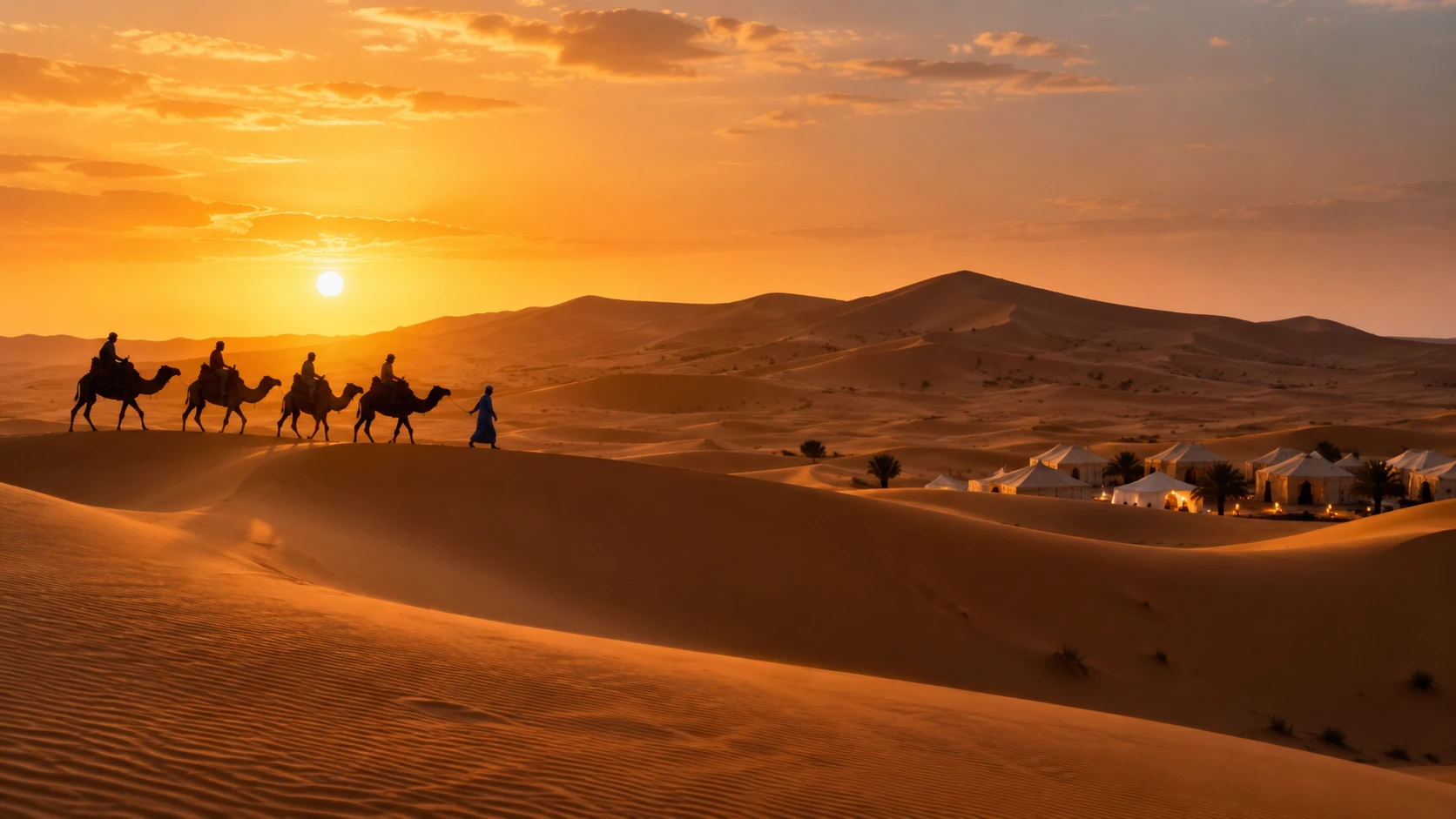
Winter is also possible and can offer beautiful clear skies, although nights can be cold.
During summer, desert itineraries require more careful timing because of the intense daytime heat.
Our private desert tours can include Merzouga, Erg Chebbi, Dades Valley, Todra Gorge, Ouarzazate and Ait Ben Haddou, depending on your itinerary.
Best Time for Marrakech
Marrakech can be visited throughout the year, but spring and autumn are particularly comfortable for walking through the Medina, exploring historic sites and enjoying outdoor experiences.
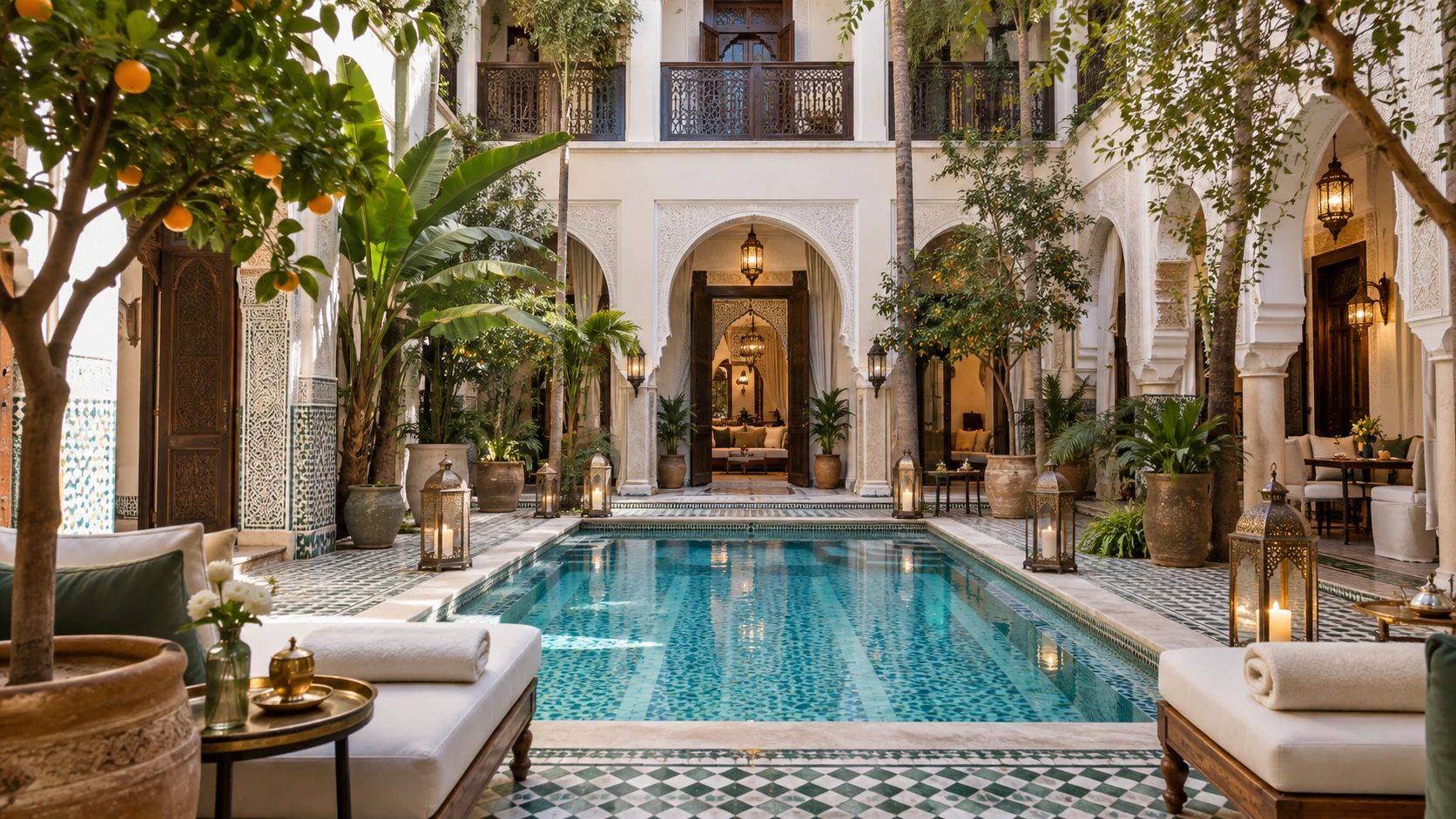
During summer, sightseeing is usually better planned during the cooler parts of the day.
Winter offers cooler evenings but can still be a pleasant time for discovering Marrakech's architecture, souks, gardens and riads.
Best Time for Chefchaouen and Northern Morocco
Chefchaouen is beautiful in every season, but spring and autumn provide particularly pleasant conditions for exploring its famous blue streets.
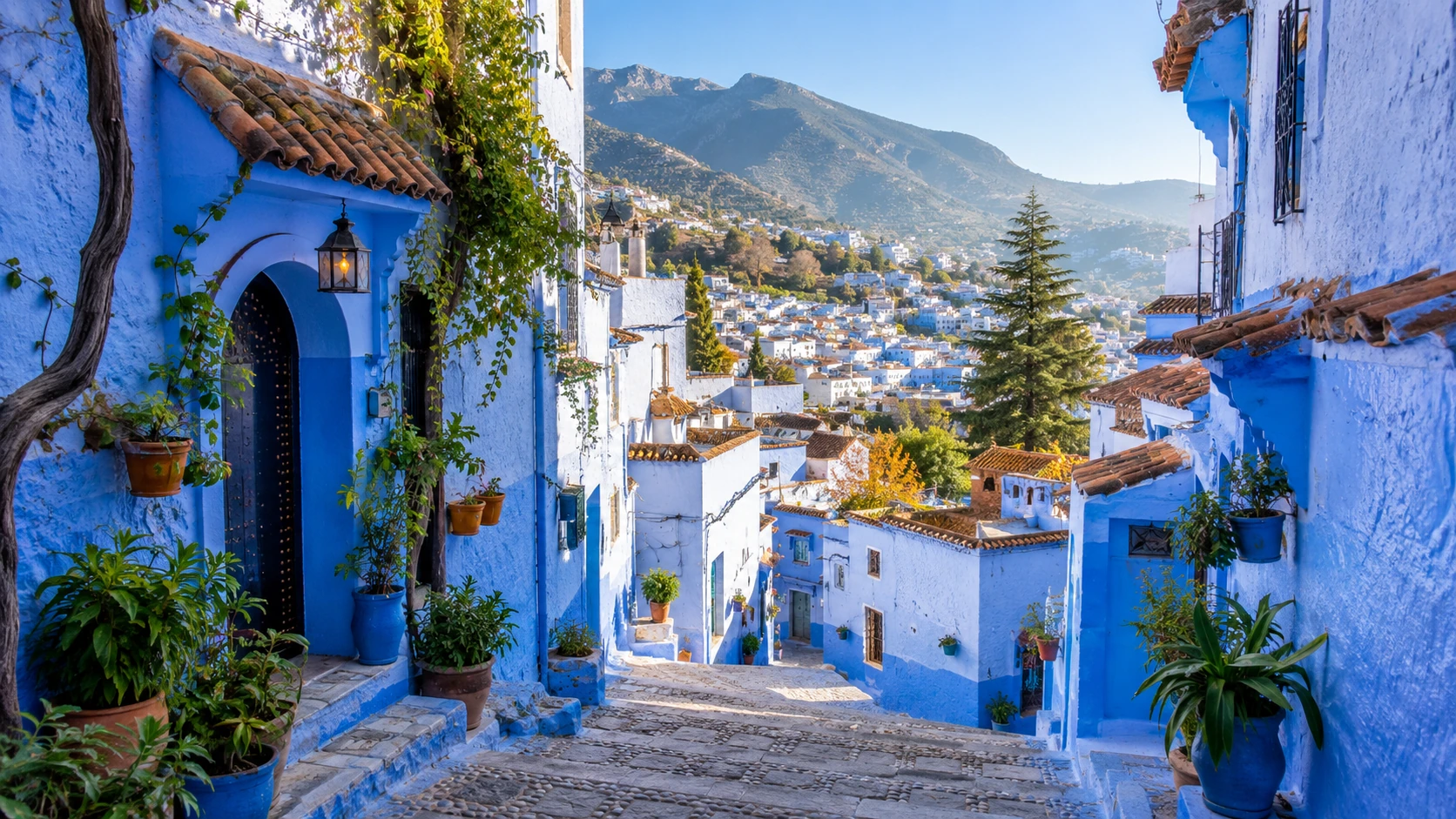
Spring brings greener landscapes around the Rif Mountains, while autumn offers comfortable temperatures for walking through the old Medina.
Chefchaouen can easily be combined with Rabat, Fes and northern Morocco as part of a private journey.
Traveling During Ramadan
Traveling in Morocco during Ramadan can offer a meaningful cultural experience.
Daily rhythms may change, particularly around sunset, when families gather for iftar. Some businesses may operate on adjusted schedules, so thoughtful planning is important.
For Muslim travelers, Ramadan can also provide an opportunity to experience Morocco's spiritual atmosphere, local traditions and evening life after iftar.
A private itinerary gives you greater flexibility around prayer times, meals and daily schedules.
Which Month Should You Choose?
| Travel Experience | Recommended Period |
|---|---|
| Marrakech & Imperial Cities | March to May / September to November |
| Sahara Desert | March to May / September to November |
| Atlas Mountains | Spring / Summer / Early Autumn |
| Essaouira & Atlantic Coast | Spring / Summer / Autumn |
| Cultural Touring | Spring & Autumn |
| Cooler Morocco Journey | December to February |
| Multi-City Private Tour | March to May / September to November |
There is no single perfect month for every traveler. The best time to visit Morocco depends on where you want to go, the experiences you want to enjoy and the climate you prefer.
Discover Morocco, Your Way
Tell us your travel dates, group size and preferred experiences. We can help shape a private, halal-friendly Morocco journey around your pace and interests.
Plan Your JourneyPlanning a Sahara trip from Marrakech?
If the Sahara is a priority, compare seasonal conditions with your route and travel pace. Our 3-day Marrakech to Merzouga desert tour is the classic private route to Erg Chebbi, while the Merzouga vs Zagora guide can help you choose the right desert area.