A halal holiday in Morocco can be simple to plan because Islamic culture is part of everyday life, traditional Moroccan food is widely suitable for Muslim travelers, and prayer spaces are easy to find in cities and towns. The most important choices are usually your route, accommodation style, privacy preferences and how you want the day paced around prayer, sightseeing and rest.
Yes. Morocco is a Muslim-majority country with mosques, Islamic heritage, traditional riads and a food culture that is generally well suited to Muslim travelers. For specific dietary, privacy or alcohol-free requirements, confirm the details with your accommodation or tour provider before arrival.
Why Morocco Works So Well for Muslim Travelers
Morocco combines Islamic heritage with very different landscapes in a relatively compact journey. You can begin in the historic medina of Marrakech, cross the High Atlas Mountains, sleep near the Sahara dunes, explore the blue lanes of Chefchaouen and finish beside the Atlantic in Essaouira.
For Muslim travelers, the practical side of the journey is often comfortable. Mosques are part of daily life, the adhan is heard across towns and cities, and traditional Moroccan hospitality naturally includes family-oriented spaces, tea culture and shared meals.
That does not mean every hotel, restaurant or activity is identical. International hotels may serve alcohol, some spa facilities can be mixed, and private swimming or family-only arrangements depend on the property. If these details matter to you, it is worth confirming them before booking.
Halal-Friendly Food in Morocco
Moroccan cuisine is one of the pleasures of the journey. Tagine, couscous, harira, grilled meats, salads, breads, dates, pastries and mint tea are part of everyday food culture. The Moroccan National Tourist Office highlights dishes such as tagine, couscous and harira as staples of the country's culinary identity.
Traditional Moroccan restaurants are generally the easiest choice for Muslim travelers. If you have strict requirements, especially in international hotels or venues that serve alcohol, ask a simple question before ordering: whether the meat is halal and whether alcohol is used in the preparation.
In Marrakech, our dedicated halal food guide to Marrakech gives more practical ideas for planning meals around sightseeing.
Prayer, Mosques and Daily Timing
Prayer can usually be integrated naturally into a Morocco itinerary. In larger cities, mosques are easy to locate, while many roadside towns and villages also have local prayer facilities. On longer drives, a private itinerary gives you more flexibility to stop at a suitable place without rushing.
For Friday prayer, allow extra time around midday. During Ramadan, the rhythm of the day changes and some opening hours may shift, so sightseeing is best planned with a little more flexibility.
For a shorter practical checklist covering prayer, privacy and comfortable travel, see our guide to Morocco for Muslim travelers.
Best Destinations for a Halal Holiday in Morocco
Marrakech
Marrakech is a strong starting point for first-time visitors. Its medina, riads, traditional architecture, souks and easy access to the Atlas Mountains make it possible to combine culture with day trips and private experiences. Our Marrakech halal travel guide covers the city in more detail.
Fes
Fes is ideal for travelers who want a deeper cultural focus. The old medina is known for traditional crafts, historic religious architecture and a strong sense of continuity with Morocco's scholarly and artisanal heritage.
Chefchaouen
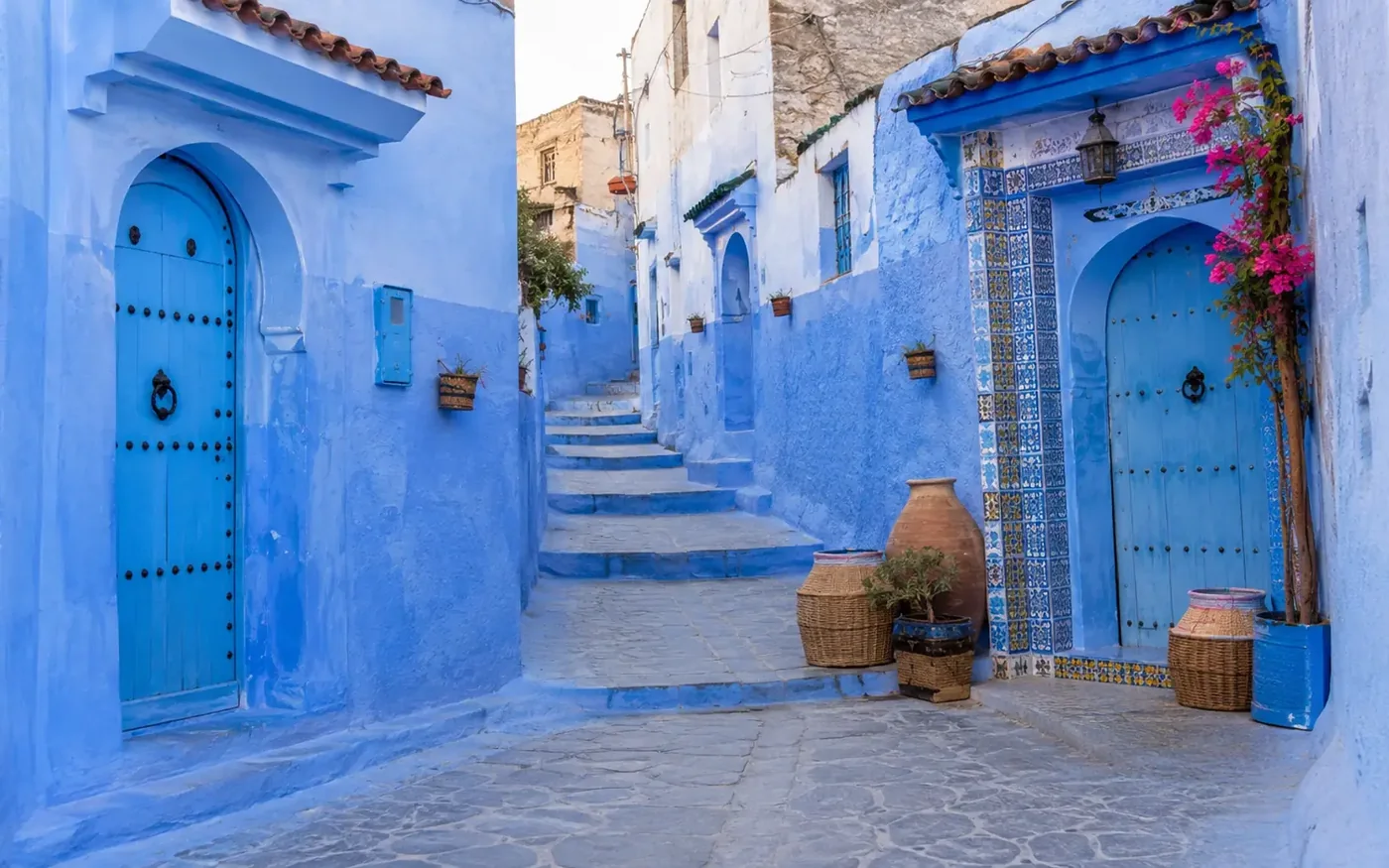
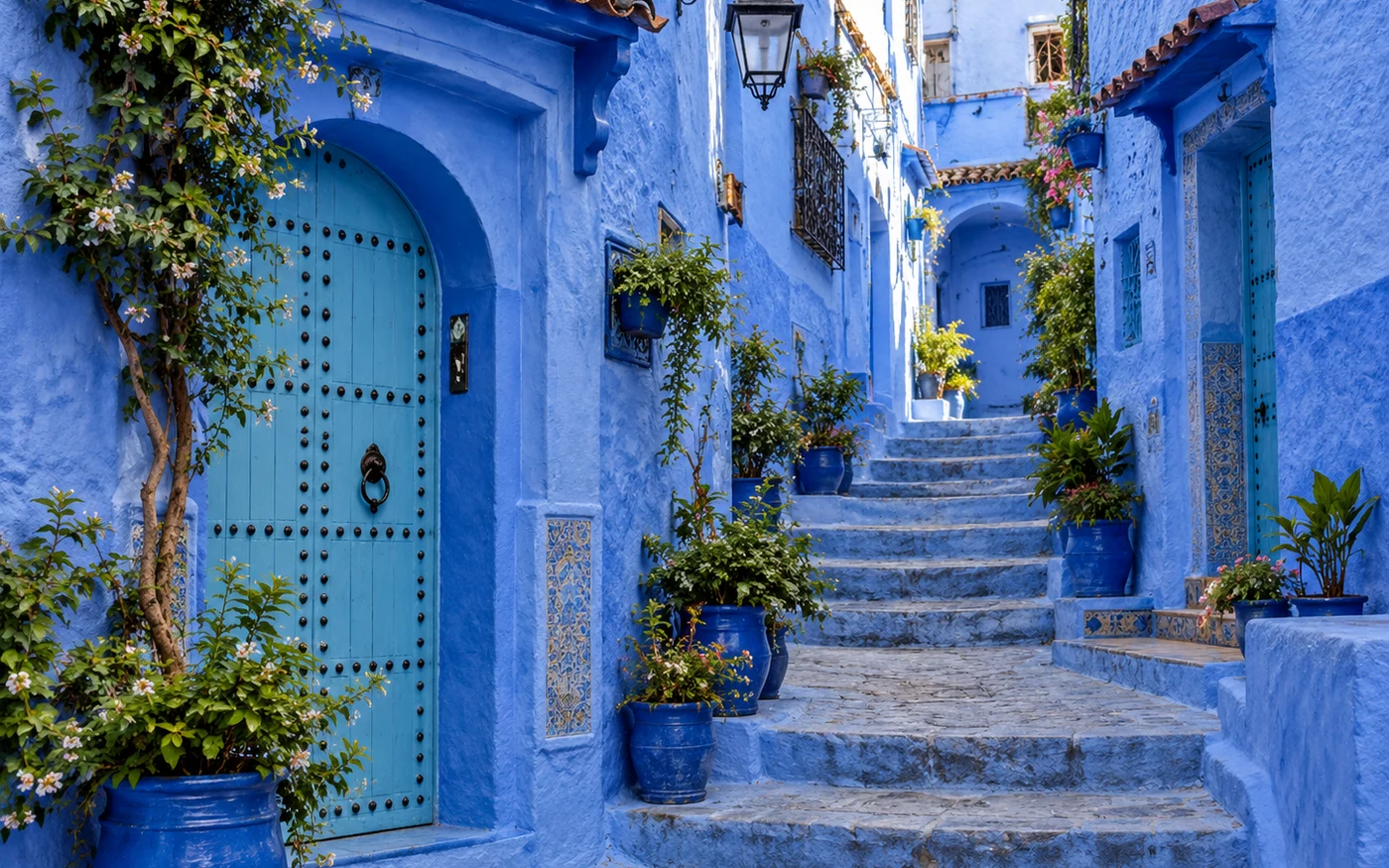
Chefchaouen suits travelers who prefer a slower rhythm. Its blue medina, Rif Mountain setting and compact historic center make it a peaceful addition to a northern Morocco itinerary.
Merzouga and the Sahara
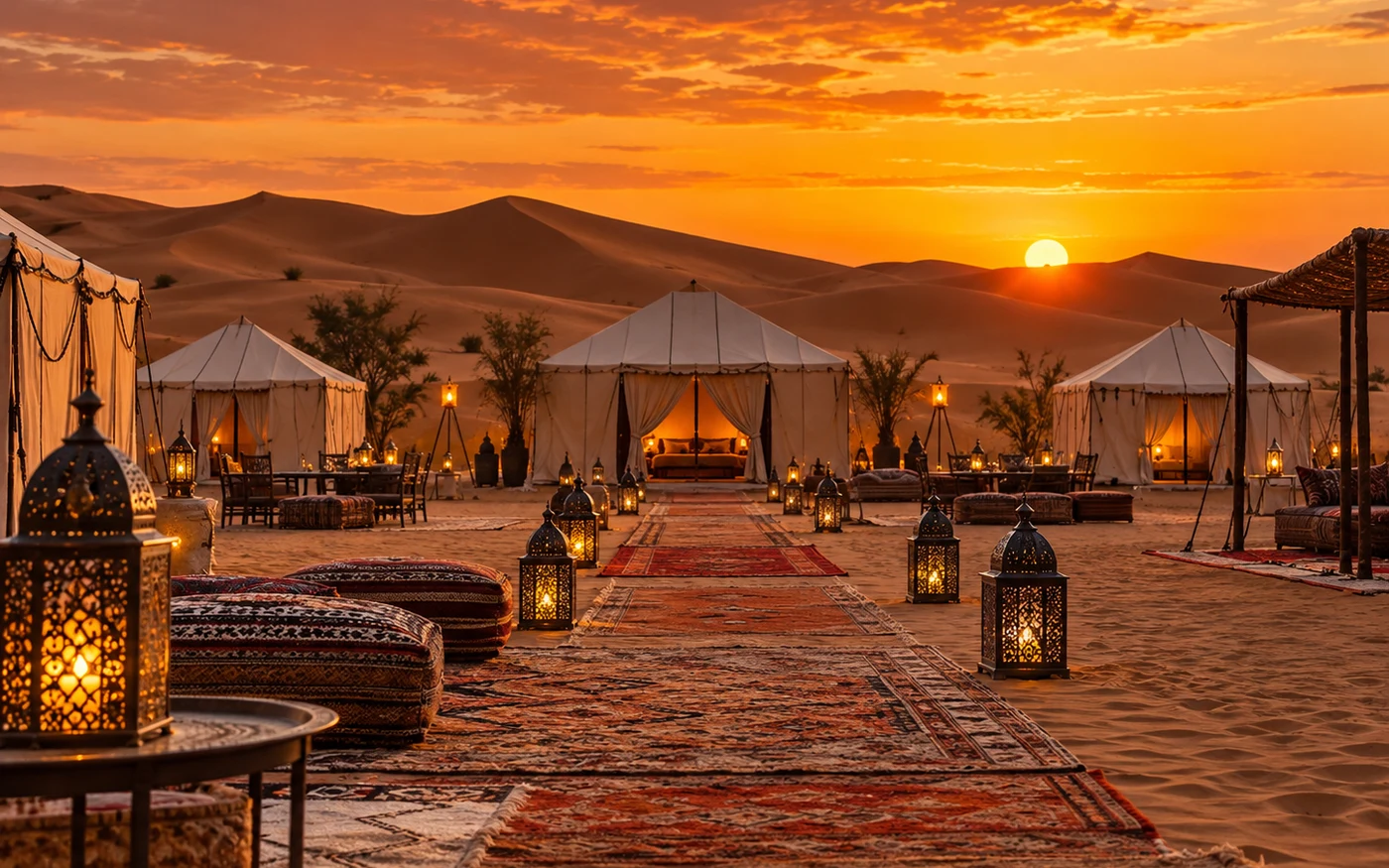
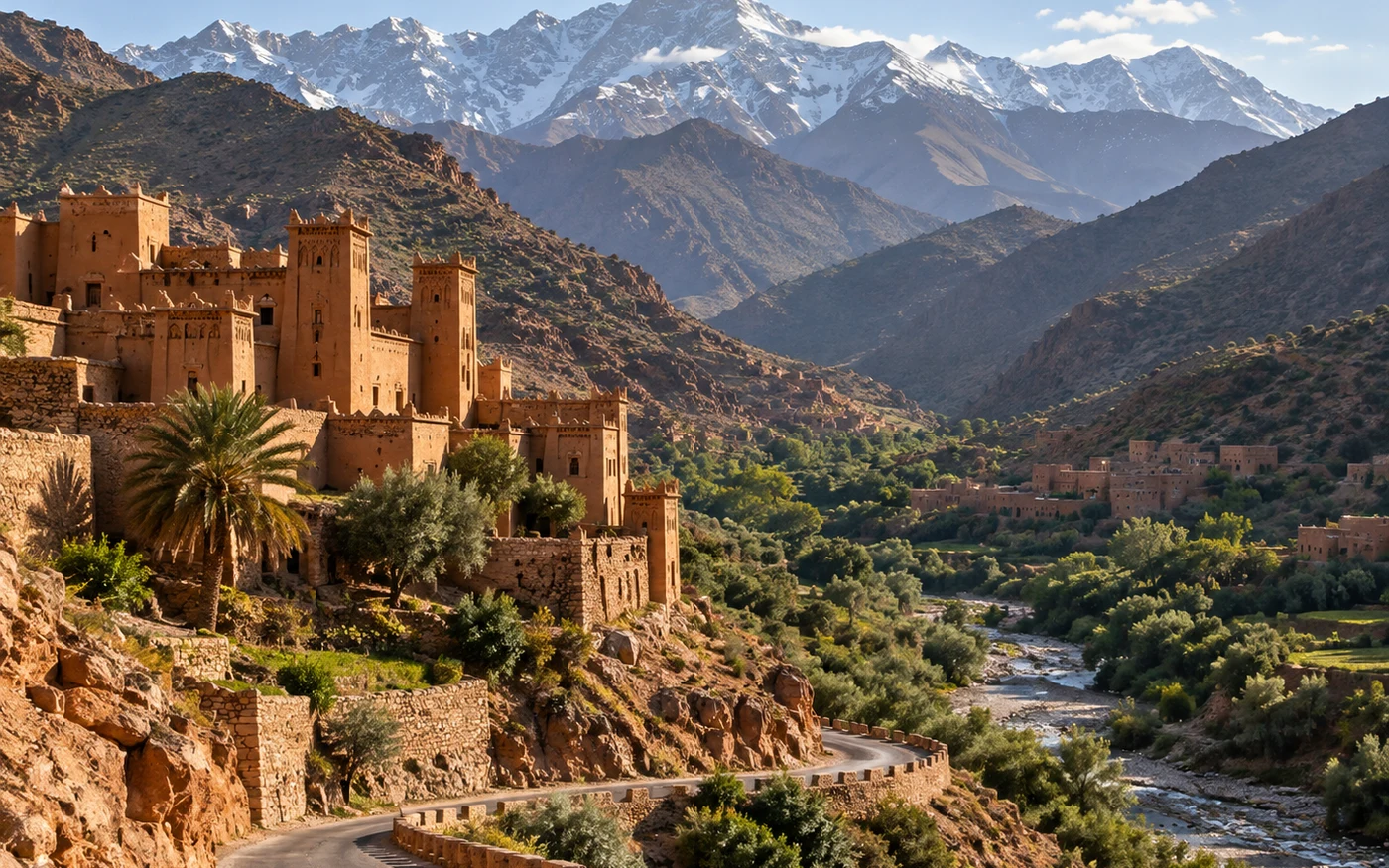
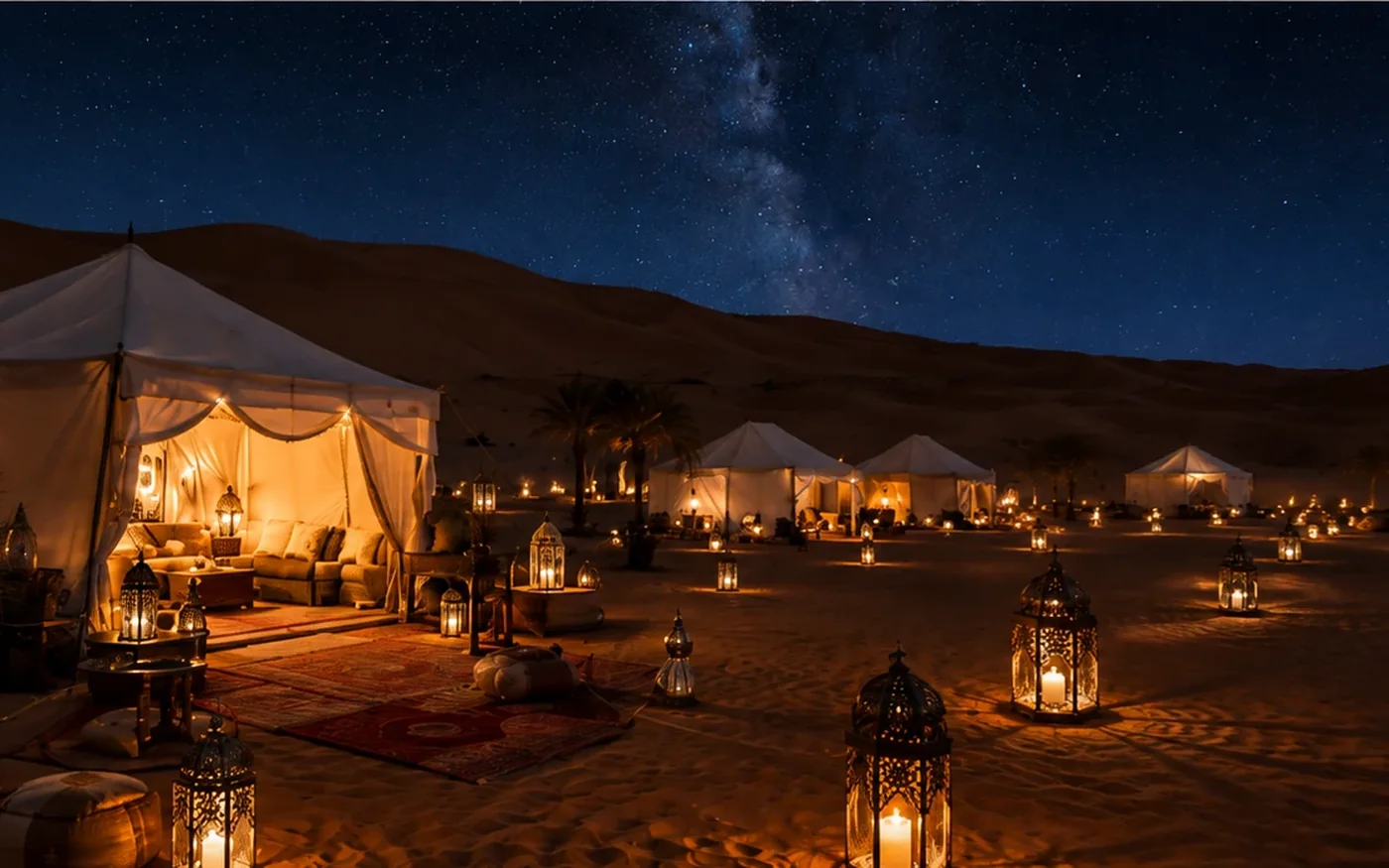
The Sahara adds a very different experience to a halal holiday in Morocco. A private desert journey can include scenic valleys, kasbahs, camel trekking and an overnight camp. Choose your camp carefully if you want greater privacy, quieter surroundings or specific room and bathroom arrangements.
Essaouira
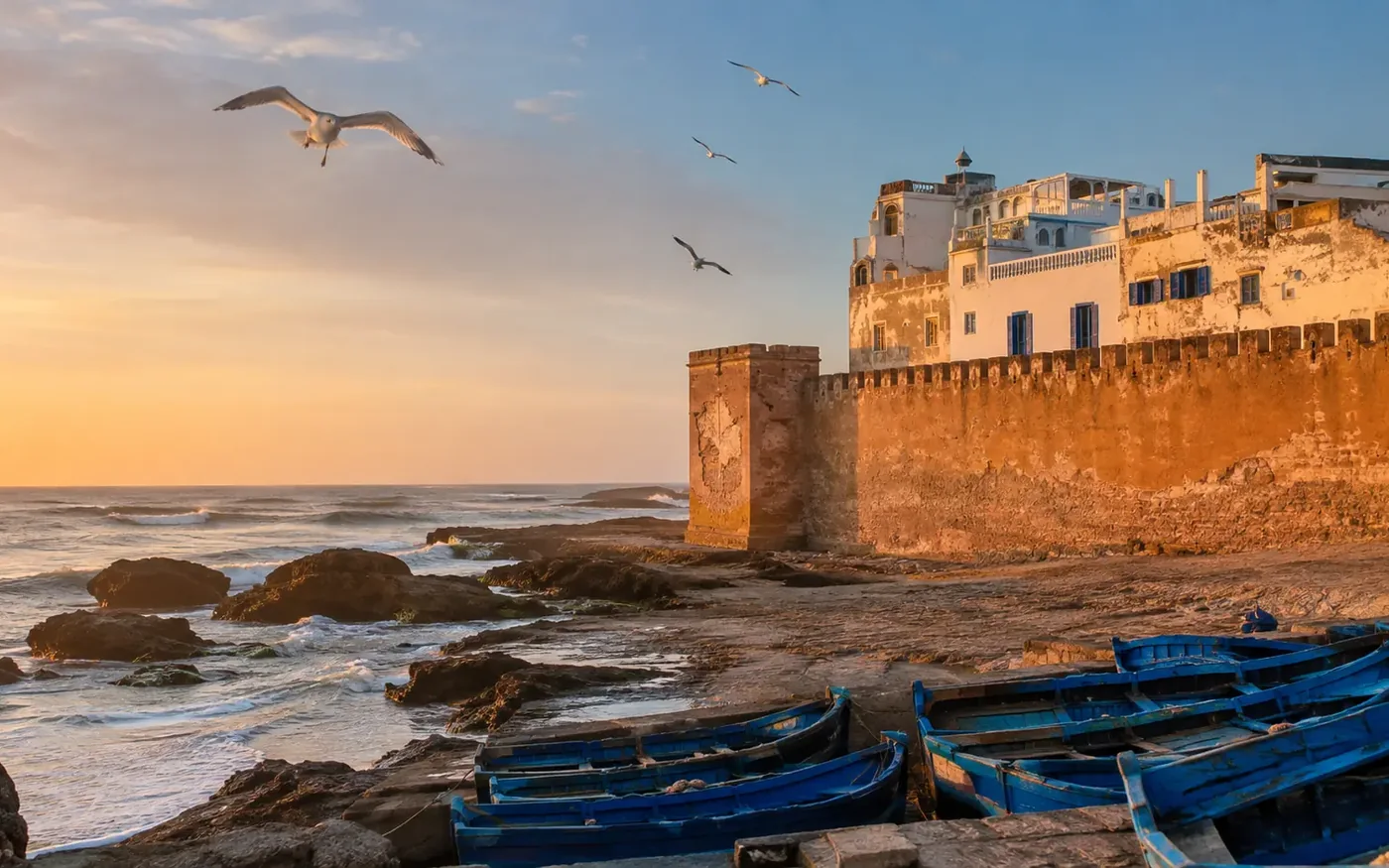
Essaouira offers a relaxed Atlantic atmosphere with a walkable medina, coastal views and a different pace from Marrakech. It works well as a two-night pause or as a private day trip from Marrakech.
Choosing a Riad or Hotel
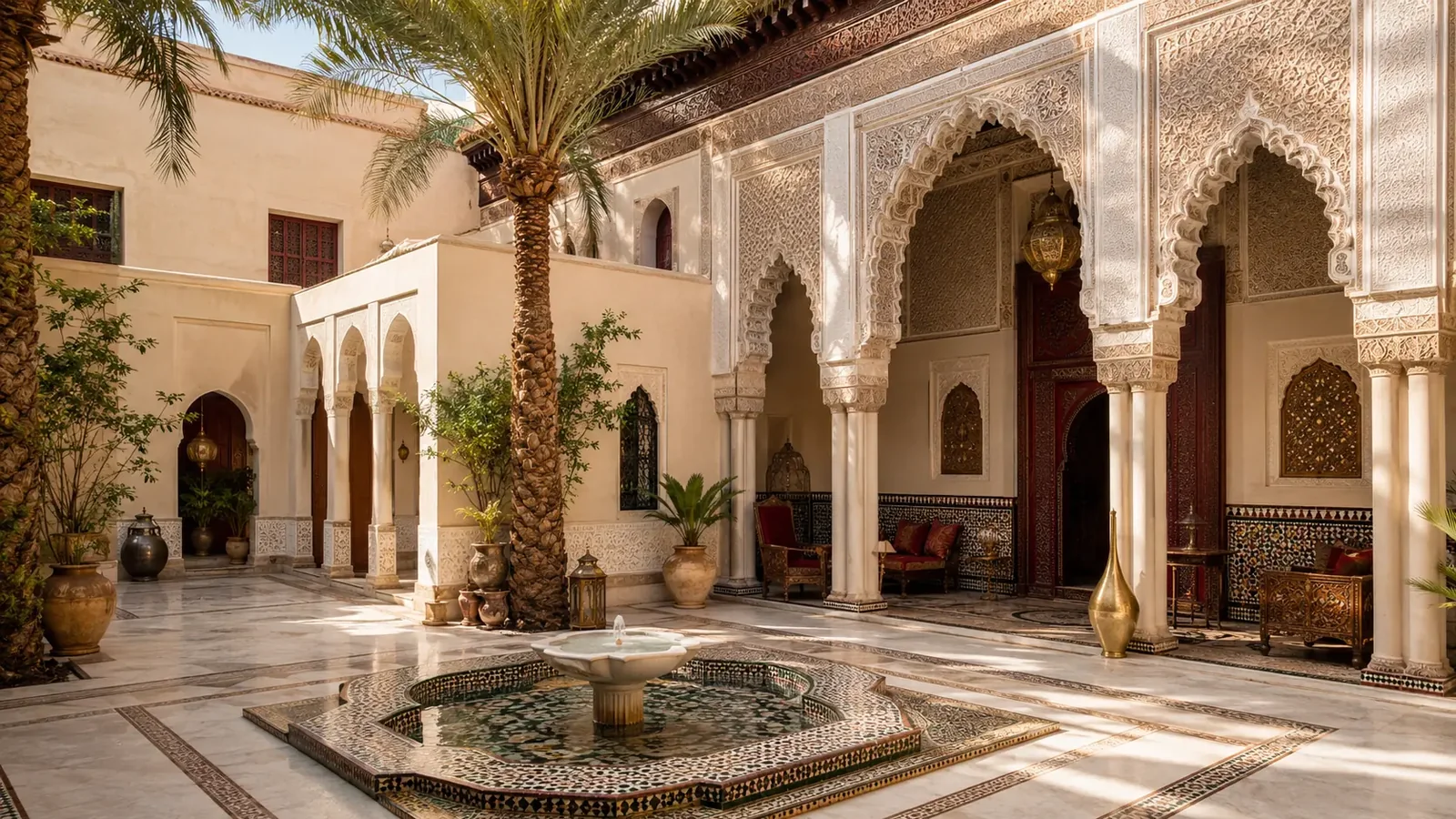
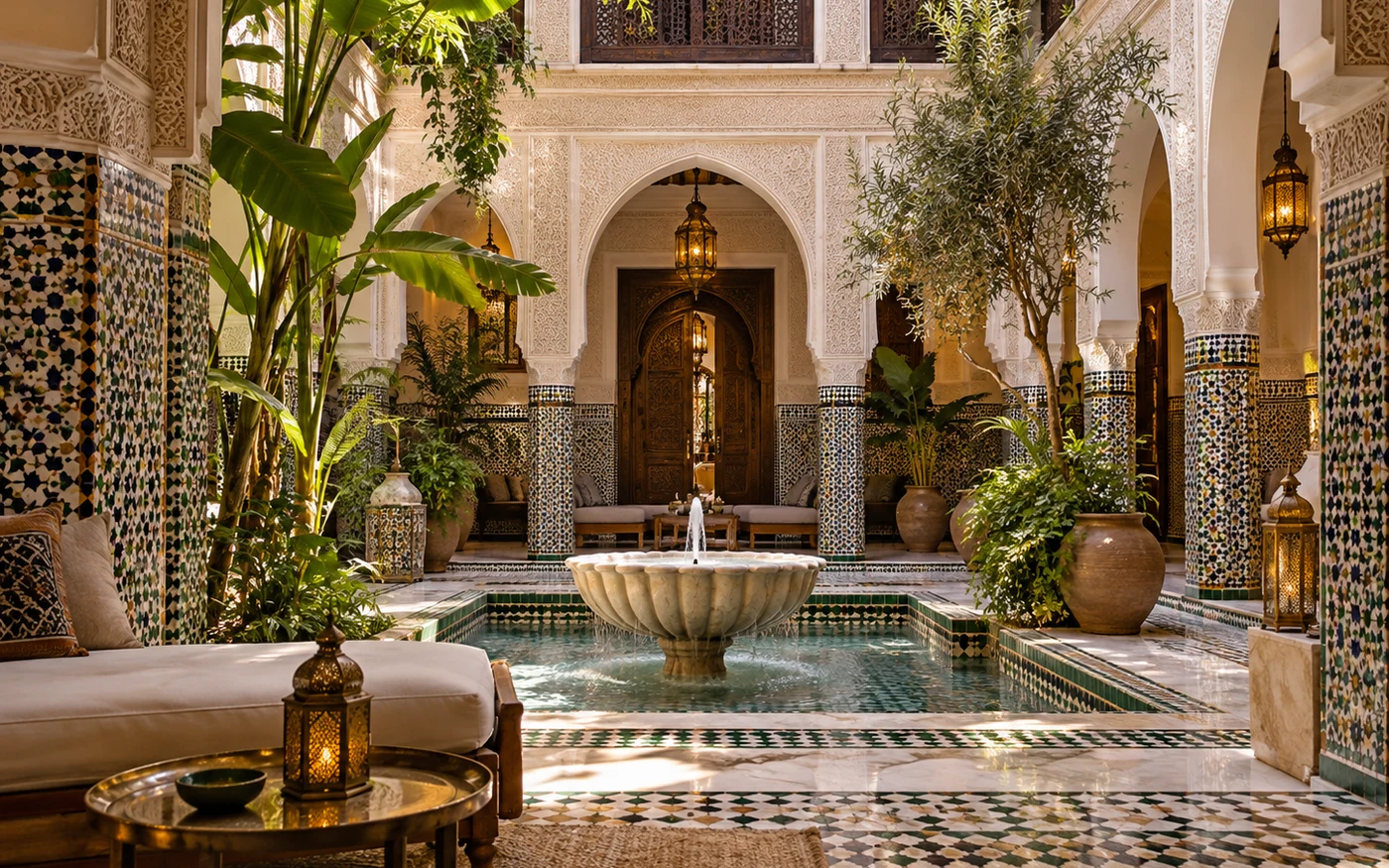
Accommodation can shape the whole trip. Riads are traditional Moroccan houses arranged around an interior courtyard, and they are one of the most distinctive ways to stay in Marrakech or Fes. For Muslim families and couples, a smaller riad can also feel more private and calm than a large resort.
Before booking, ask about the details that matter to you: private bathroom, family rooms, alcohol policy, breakfast timing, pool privacy, hammam arrangements and how close the property is to the medina or a mosque.
Why a Private Morocco Tour Can Be Easier
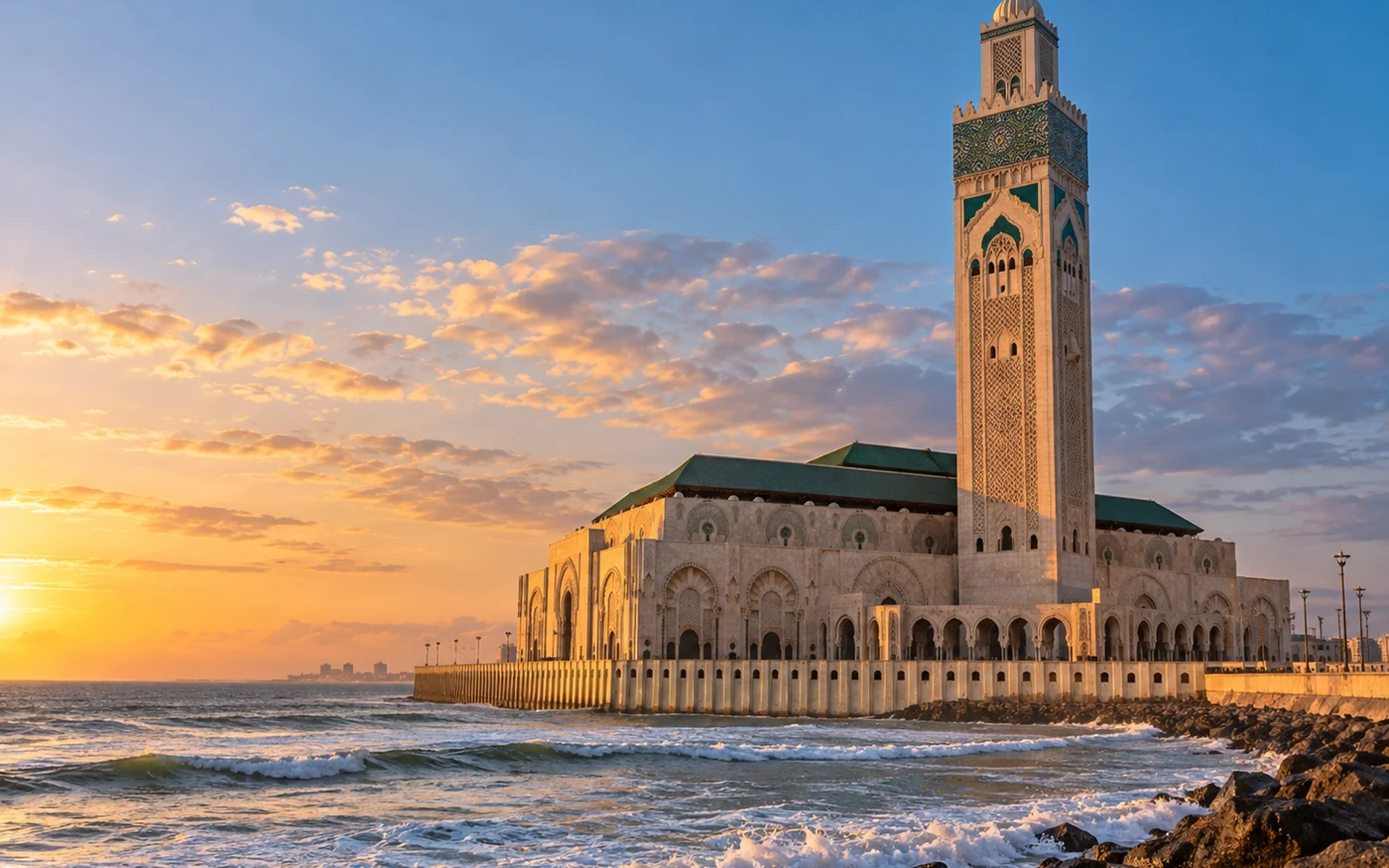
A private tour is not necessary for a halal holiday, but it can make the logistics simpler. You control the departure time, prayer stops, meal choices and pace. This is particularly useful on routes between Marrakech, Dades, Merzouga, Fes, Chefchaouen and Casablanca, where a long day can otherwise feel rigid.
Our private Morocco tours are designed around the travelers rather than a fixed coach schedule. You can explore options such as the 10-day Morocco tour, the 7-day Casablanca to Marrakech journey or a shorter Marrakech to Merzouga desert tour.
A Simple 7-Day Halal-Friendly Morocco Itinerary
This example works well for travelers who want culture, mountains and desert without trying to cover the whole country at once.
| Day | Route | Focus |
|---|---|---|
| 1 | Marrakech | Arrival, riad check-in, Medina orientation and relaxed evening. |
| 2 | Marrakech | Private city tour, souks, architecture and time for prayer and rest. |
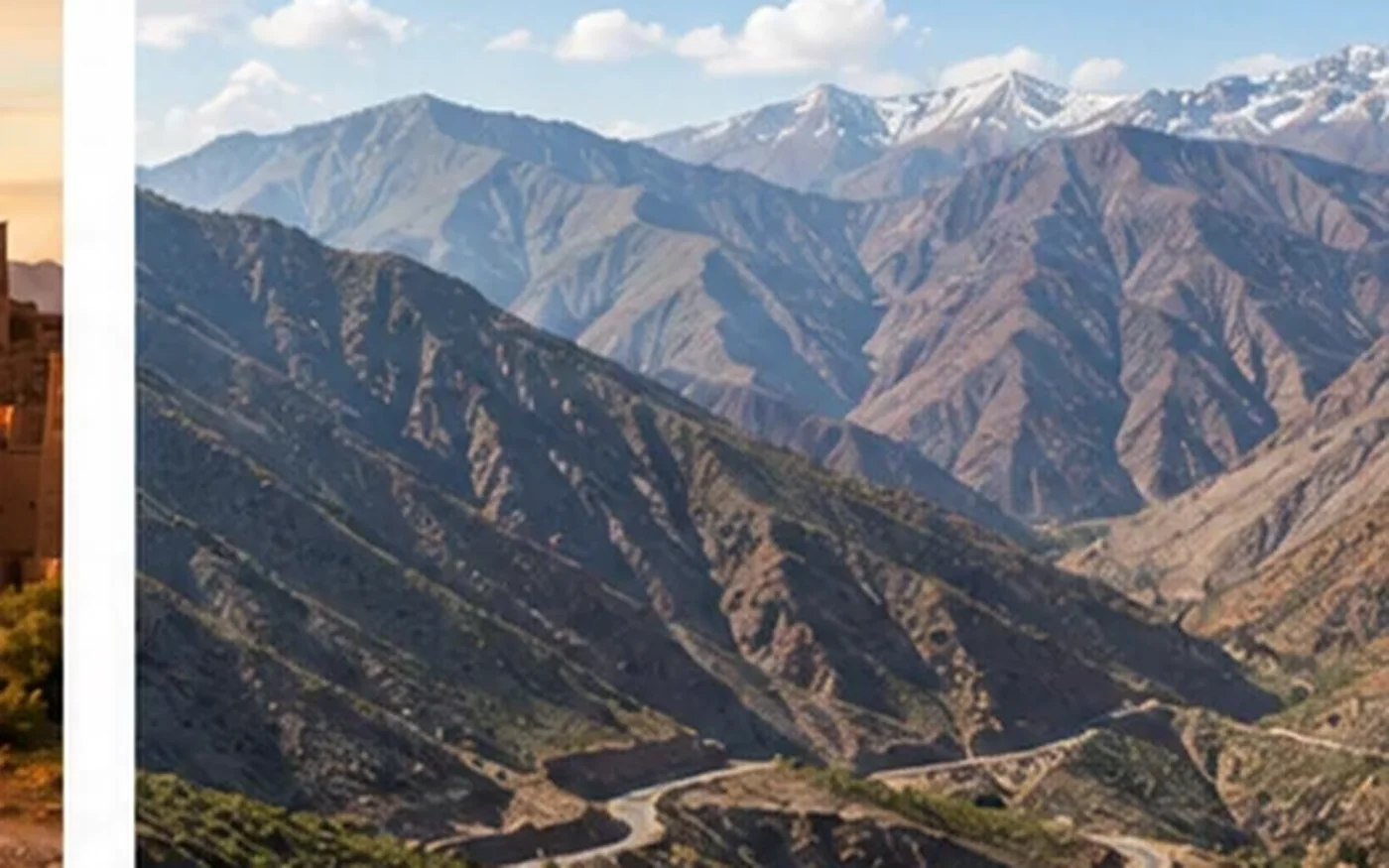
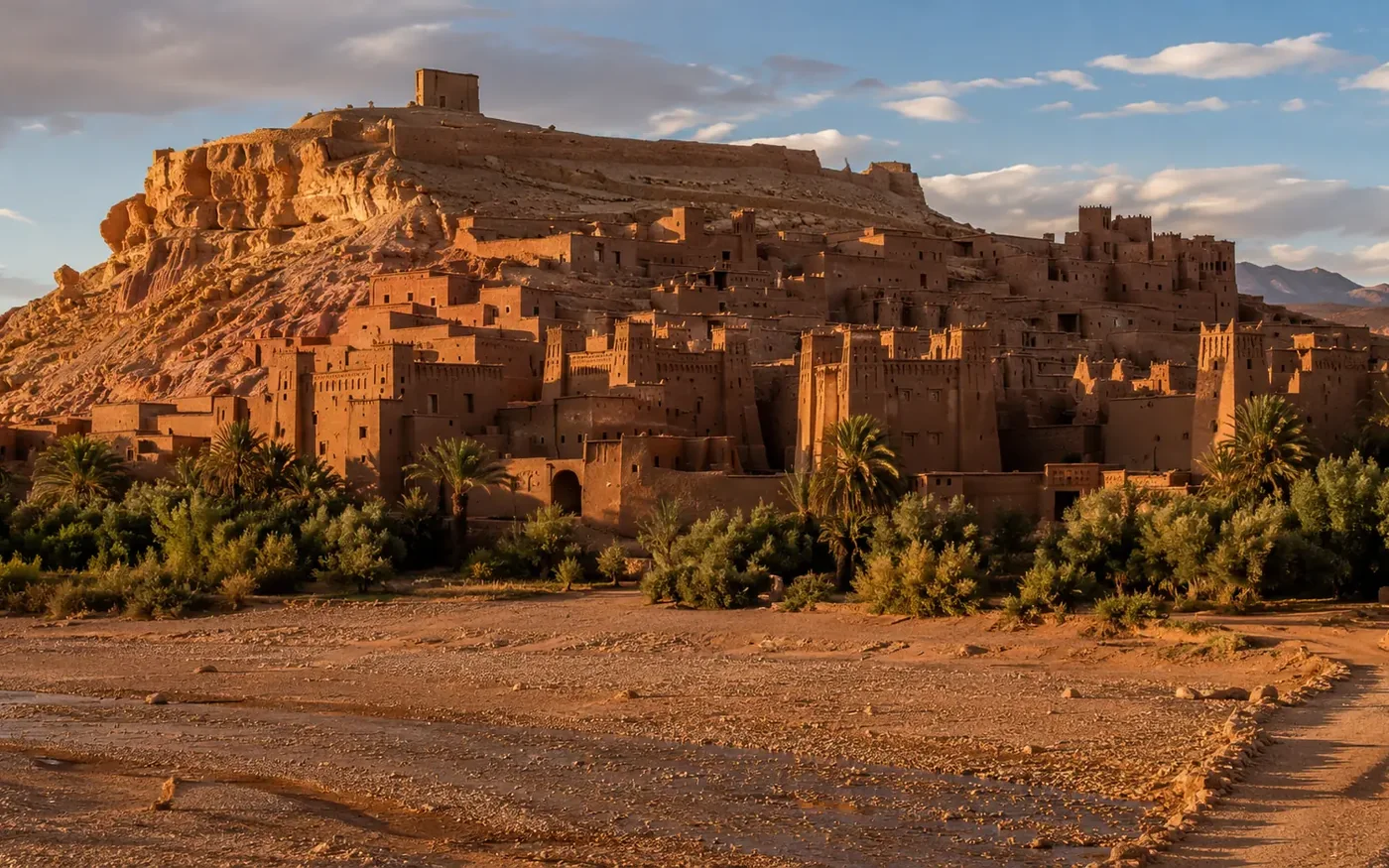
| 3 | Marrakech to Dades | High Atlas, Ait Ben Haddou, Ouarzazate and scenic valleys. |
| 4 | Dades to Merzouga | Todra Gorge, desert landscapes and Sahara camp arrival. |
| 5 | Merzouga | Slower desert day, dunes, local culture and camp evening. |
| 6 | Merzouga to Marrakech | Private return journey with flexible stops. |
| 7 | Marrakech | Free morning, final shopping or departure transfer. |
Traveling in Morocco During Ramadan
Ramadan can be a meaningful time to visit Morocco, but the daily rhythm is different. Some businesses reduce daytime hours, traffic can become busy shortly before iftar, and evenings often become more active after the fast is broken.
For Muslim visitors who are fasting, a private itinerary can be adjusted around suhoor, prayer, rest and iftar. For travelers who are not fasting, respectful planning is important and your accommodation can help you understand local meal times and opening hours.
Questions to Ask Before Booking
- Can the itinerary include flexible prayer stops?
- Can you arrange traditional halal-friendly restaurants and avoid venues centered on alcohol?
- Is the desert camp private or shared, and what bathroom facilities are included?
- Can accommodation be selected for family privacy or a quieter atmosphere?
- Can the driver adjust the pace for children, elderly travelers or Ramadan?
- Are airport transfers and luggage assistance included?
Frequently Asked Questions
Is Morocco suitable for Muslim families?
Yes. Family travel is common, and private touring can make room for prayer, rest, child-friendly pacing and accommodation preferences.
Is halal food easy to find in Morocco?
Traditional Moroccan dining is generally well suited to Muslim travelers. If you have strict requirements, confirm the restaurant or hotel policy, especially at international properties.
Can I plan a Morocco itinerary around prayer times?
Yes. A private itinerary is particularly useful because departure times and road stops can be adjusted more easily than on a fixed group tour.
Which Morocco destinations are best for a first halal holiday?
Marrakech, Fes, Chefchaouen and a Sahara route are a strong combination for culture, Islamic heritage, scenery and variety.
Can I visit Morocco during Ramadan?
Yes. Expect adjusted opening hours and a different daily rhythm. Planning transport, meals and sightseeing around fasting and prayer makes the experience smoother.
Plan Your Halal-Friendly Morocco Journey
Tell us your travel dates, number of travelers and the places you want to experience. We can shape a private Morocco itinerary around your pace, prayer needs and preferred travel style.
Start Planning Your TripTravel information changes. Confirm current opening hours and specific dietary or accommodation requirements before travel. For general destination and cultural information, you can also consult the Moroccan National Tourist Office.